
BBA 2025 Winner Profile: Company of the Year – The British School in Tokyo
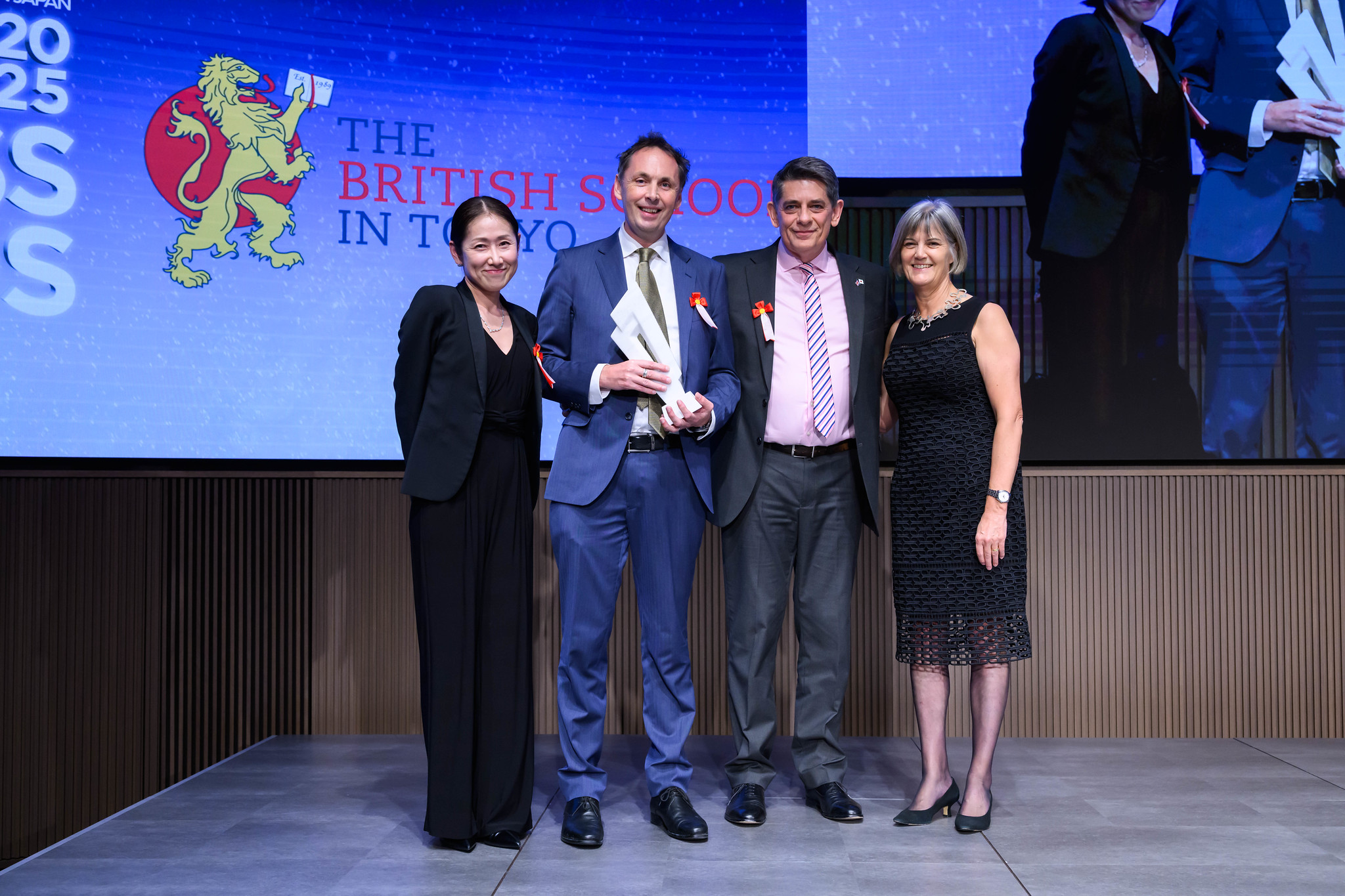
The British School in Tokyo (BST) has been recognised at the British Chamber of Commerce in Japan’s 2025 British Business Awards, on November 7, 'for demonstrating excellence, innovation and leadership, with a focus on outstanding achievements over the past 12 months.' At the black-tie gala, the not-for-profit organisation received the trophy for Company of the Year, a hotly contested category.
From humble beginnings in 1989 with only 60 students, BST has grown to serve more than 1,400 students aged 3–18, employ 270 staff, operate two campuses and develop a thriving international alumni network. Together, these activities positively impact Japanese society through employment, cultural exchange and community engagement.
Principal Ian Clayton said the school is 'delighted to receive the award,' particularly as BST celebrated its 35th anniversary in September 2024. The school has achieved significant milestones in the past year including exceptional exam results, university acceptances to top global institutions, the launch of its International Baccalaureate Diploma Programme (IBDP) and the deepening of local and international partnerships.
Academic credentials
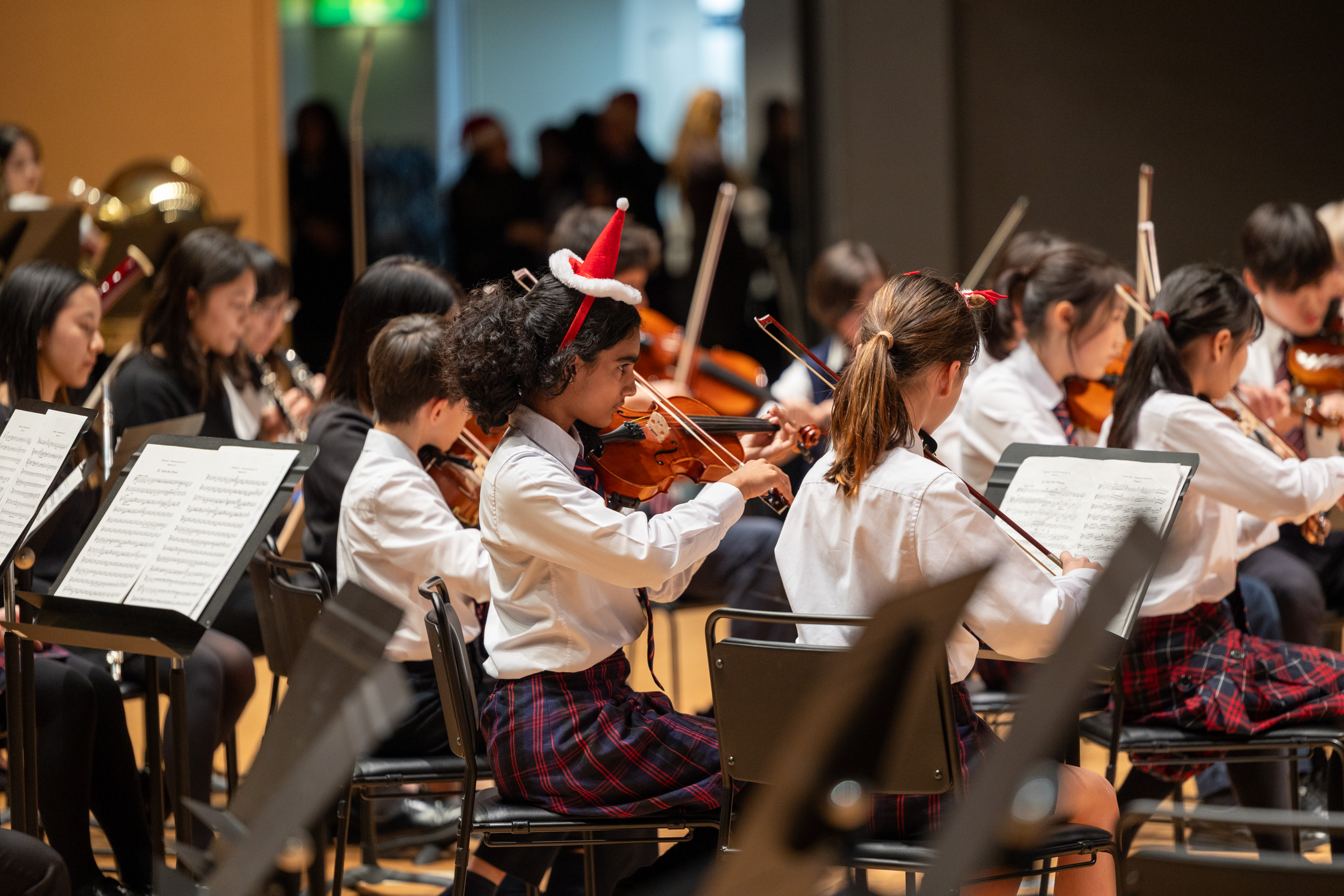
This year saw outstanding performance of BST students at both International GCSE and A Level, resulting in many of them being offered places at top-ranked universities around the world. Moreover, this year’s graduates were accepted into their first-choice university on the course of their choosing, from arts and sciences to specialisations such as animation, fashion, cinematography and sustainability, said Clayton.
In 2025, BST became an authorised IB World School and began offering the International IBDP this academic year for students aged 16–18. Its shift from A Level to IB reflects the changing demographic of the student body, who hail from 65 countries. The student population has become increasingly international, with universities across the world now attracting a greater share of students, according to Clayton. Indeed, the largest proportion of students is bicultural—typically with one Japanese parent and one European or American parent—and many students are interested in pursuing higher education throughout the world.
'There’s no perfect curriculum, but the IB offers greater portability, provides a broad set of subjects to study and prepares students well for university,' said Clayton. 'We know it is challenging but we think it’s best for the students we have and will give them the best opportunities to go to university wherever they want.'
Moreover, the IB promotes lifelong learning rather than attaining a grade or reaching an end point. This approach to study has always permeated BST, added Clayton, noting that staff focus not on transferring knowledge but on applying knowledge and fostering life skills such as communication, organisation, creativity, critical thinking and working well with others. Students follow concept-based and inquiry-based learning. From a young age, they are encouraged to be curious and ask questions, while older children are taught how to be judicious, particularly related to content on social media, as well as use of AI and ChatGPT.
'Our goal is to prepare our students for success in an uncertain and complex world,' Clayton added.
Holistic approach
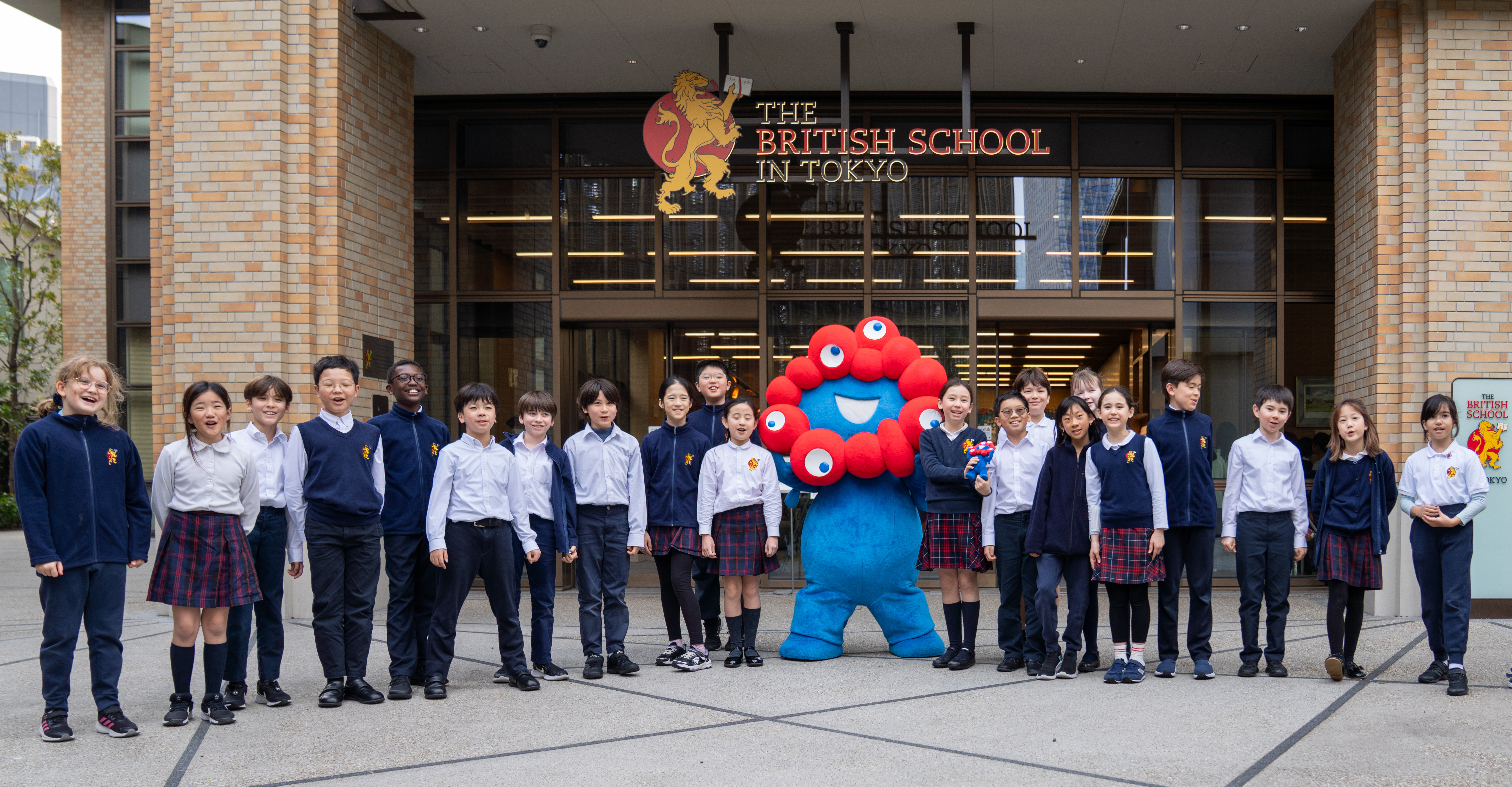
While being strong academically, BST also prioritises active participation in music, sport, drama and other extracurricular activities. Students receive a wide range of opportunities to find and develop their passion and try unique experiences. For example, thanks to a partnership with the UK-based Royal Shakespeare Company, BST welcomed practitioners in November for the second time to work with students from Years 4–13 on areas such as communication, oracy and confidence, using Shakespeare as a vehicle.
In the past 18 months, BST has organised a vast number of creative projects including a festival of the arts that encompassed several weeks and covered everything from drumming and poetry to an art competition and practice of rakugo (traditional comic storytelling). The school also restarted its spring fair and held a concert that brought together the student orchestra and choirs with the Tokyo Symphony Orchestra to mark BST’s 35th anniversary.
BST also tasks students with service: one of the core parts of its DNA and one of three essential elements (along with creativity and activity) that form part of the IB.
Since 2014, BST has supported United World Schools, an international charity that builds and supports community-led primary schools in remote, impoverished areas. To date, BST students have helped to build two schools and have begun work this year to erect another one, in Nepal. Efforts include fundraising and awareness-raising for the project.
'We want to get students into service learning, to understand it is important to support a cause not only at school but also afterwards, to continue to give their time and money when they enter the world of work and to have a social conscience,' said Clayton.

Connecting with Japan
BST’s two central campuses—the Primary at Azabudai Hills and the Secondary at Sangenjaya—provide students and teachers with top-class facilities in the heart of Tokyo.
Partnerships with local organisations are designed to be reciprocal and to contribute to the wider community. At Showa Women’s University (SWU), for example, teachers from BST provide lectures on topics such as 20th century British history and host courses on gender equality. The courses are often attended by students from BST, SWU and Temple University Japan. Exchange programmes enable students from Showa’s affiliated schools and Azabu Elementary School to experience life at BST.
BST’s reputation has also attracted the attention of local dignitaries, including the Mayor of Minato Ward and the Governor of Tokyo Metropolitan Government, who have visited the school to learn more about its approach to education.
'We do as much as we can to connect ourselves to Tokyo and Japan,' said Clayton about the partnerships. 'We want students to see Japanese society and culture in real life, and these interactions are supported by lots of curricula connections to Japan at every single year level.'
BST’s comprehensive approach to education was recognised this year when it was named as one of the world’s top 100 private schools in the Spear’s Schools Index 2025, a prestigious ranking recognising academic excellence and holistic education.